
Spatialization & Demographics in U.S. Port Cities – Mapping with GIS
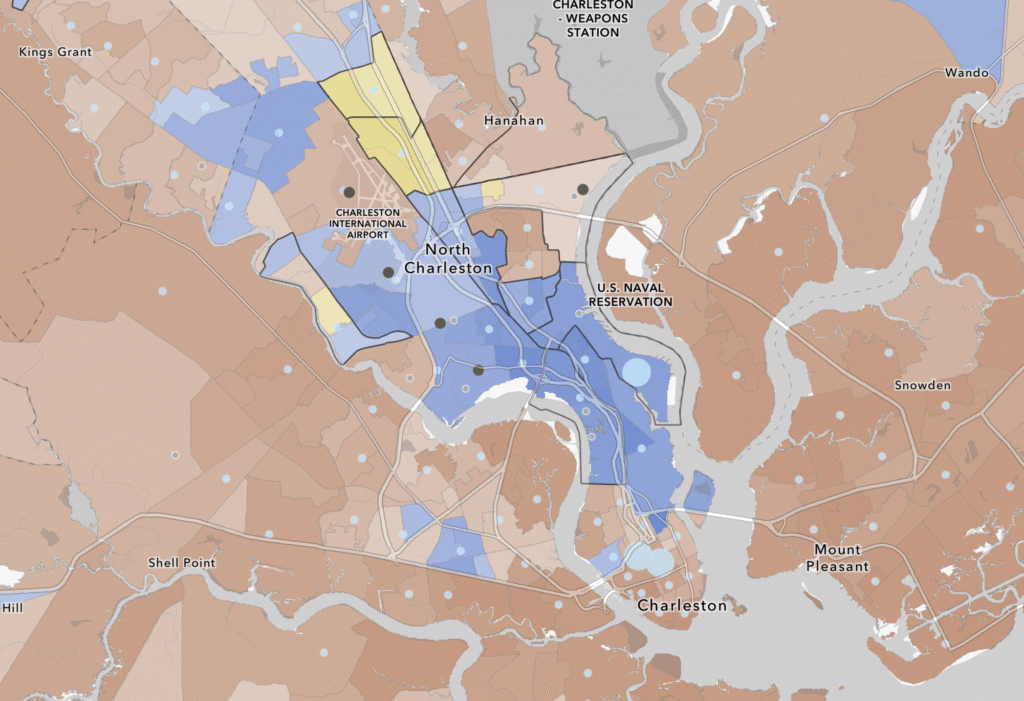
- Charleston, SC
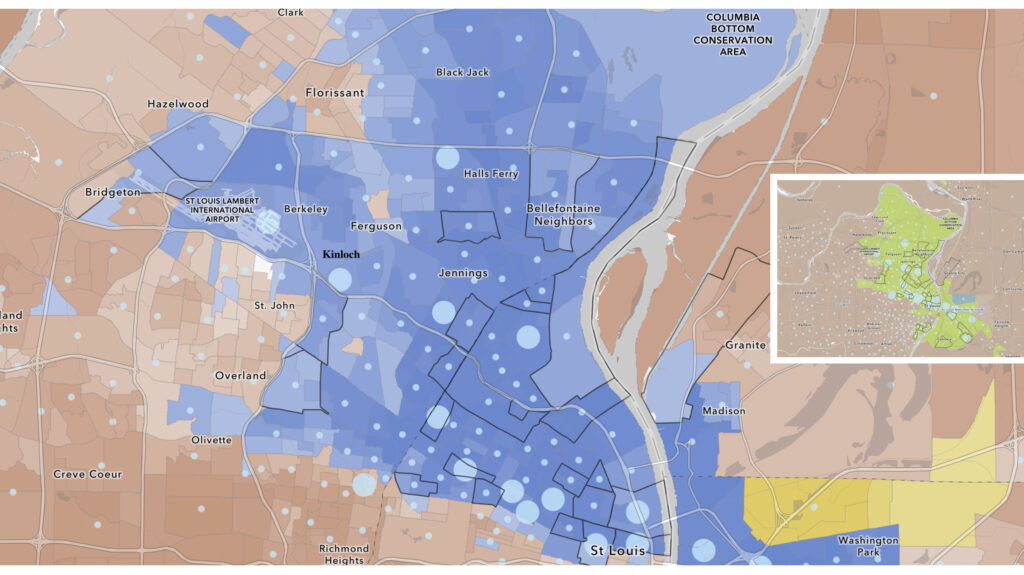
- St. Louis, MO
- Philadelphia, PA
- Los Angeles, CA
- Miami, FL
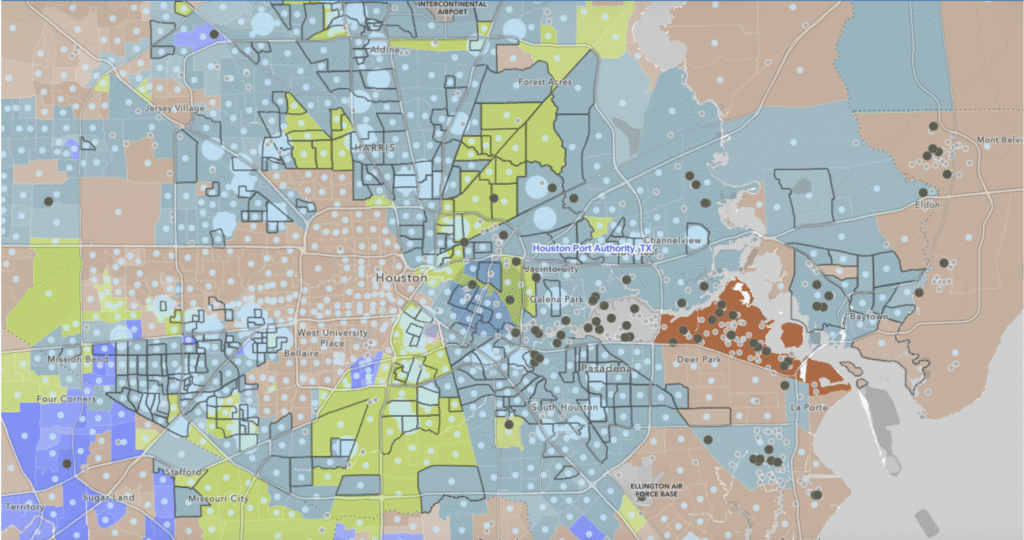
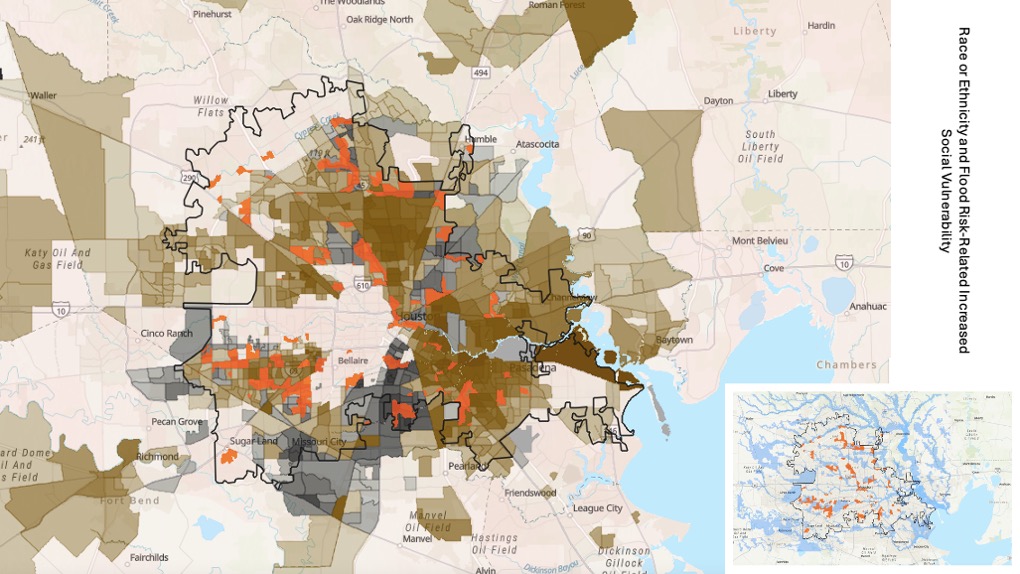
- Houston, TX
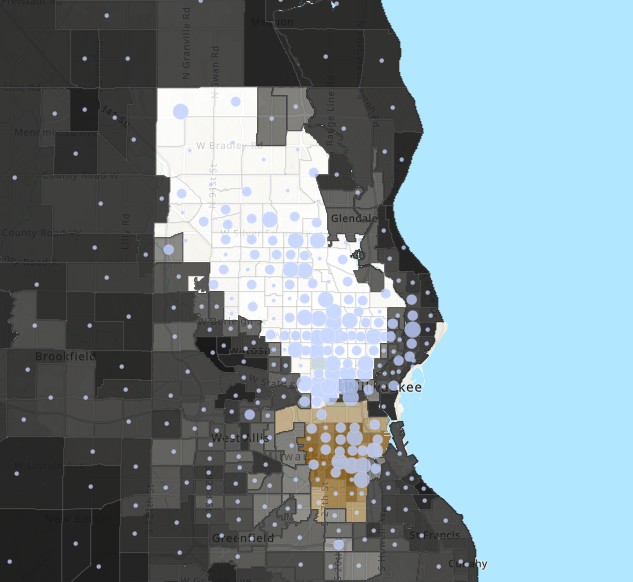
- Milwaukee, WI
*
The Lines that Shape Our Cities [DSL; Univ. of Richmond] || It isn’t that this information isn’t known; it’s that knowing it isn’t impacting the way Civil Engineering (CIE) is being taught. There is a code of ethics in CIE and it has capacity to be interpreted beyond simply encouraging the practice of honesty as a *good* professional behavior. In Dividing Lines (2025), Deborah Archer writes: The nation’s interstate highway system’s routes were built against the backdrop of the massive resistance to integration that Brown [v. Board of Education] inspired. Celebrated as a feat of engineering and a driver of U.S. economic growth, interstate highways were often built over Black neighborhoods—destroying homes, businesses, communities, and lives. These practices were intentional, reflecting a broader pattern of prioritizing white suburbanites over Black urban communities. || In teaching professional ethics, CIE has the opportunity to teach the reality that if your job is to design this it is important to see it for what it is and has done and to whom.
*



*
GIS Water Studio + Health Geographies. Syllabi for Infrastructure, Spatialization and Society (GIS-based; no prior GIS experience needed) and Power, Equity and Society (w/o GIS). Water, sanitation, transportation and energy. Why is this content & context so critical? Within the content & context of energy systems and infrastructure, University of Michigan Vice Provost for Sustainability and Climate Action and Professor of Environment and Sustainability, Shalanda H. Baker writes it like this: “’Resilience‘ calls for an energy system that is able to bounce back from climate change events.” and so we must ask: “What are we bouncing back into?” Importantly, designing for sustainability and resilience in built systems does not equate to guaranteeing equity and justice for those most impacted when those systems inevitably – because they do, and will – fail.